Design
Systems Design
Two groups ignited my passion for design: Smith College’s Design Thinking Initiative and Oxfam’s aGILE.
The value of a liberal arts education is the encouragement of interdisciplinary exploration. At the Design Thinking Initiative, I learned how to engage with design critically and make in service of broader social issues. Design is about inviting stakeholders into your design process from the beginning.
During my time with Oxfam, I learned about systems design, an approach to being more systematic in how we work with others to create change. The Design Council describes systems change as follows:
“the acknowledgment of complexity and interconnectedness throughout the design thinking and doing process. It is both a mindset and a methodology - considering the structures and beliefs that underpin a challenge.”
Along with systems design, I am passionate about:
Design Justice
When we create new technologies, systems, structures, or anything else, we must prioritize design justice - ensuring that the voices of those most impacted by the work are central to the conversation. We risk exacerbating existing structural inequalities if we do not consider these individuals.
The Design Justice Network is a fantastic community for people who use design to support care, liberation, joy, and deep sustainability.
Dr. Sasha Costanza-Chock is an inspiring individual in this work, with their book Design Justice: Community-Led Practices to Build the Worlds We Need.
Art of Making
Everyone is a maker. Unburdened by the need for specialized technologies or terminology sometimes required by other forms of design, making offers a hands-on approach to creativity accessible to all. Making emphasizes learning through experimentation, emphasizing how ideas are shaped by audience knowledge and feedback from others.
I love the collaborative nature of maker spaces, where people can come together to innovate, design, and learn. With evolving approaches to education, schools should build more maker spaces to give students hands-on learning opportunities, allowing them to apply theoretical concepts to real-world projects.
Makerspaces for rethinking teaching and learning in K–12 education by Professor Louis S. Nadelson is an excellent paper about the impact of maker spaces in influencing students’ learning and development.
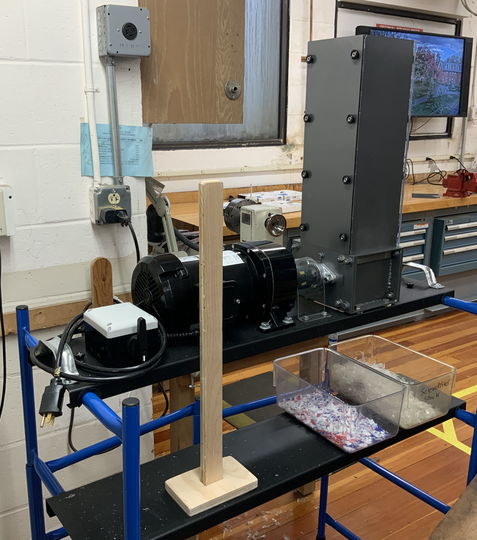
Creating a plastic upcycling machine in the Center for Design and Fabrication