2026 New Year’s Resolutions

New Year’s resolutions have a way of fading by February, but last year I found the simple practice of writing them helped me stick with them. By putting my intentions on paper and checking back in on them throughout the year, I didn’t just follow through on what I set out to do; the process of reflecting along the way also helped me understand my interests more clearly and even led to opportunities I hadn’t expected.
This year, I’m writing down some of my goals more publicly (thanks, Tracey Chou for the inspiration).
Professional Development
Continuing Engagements
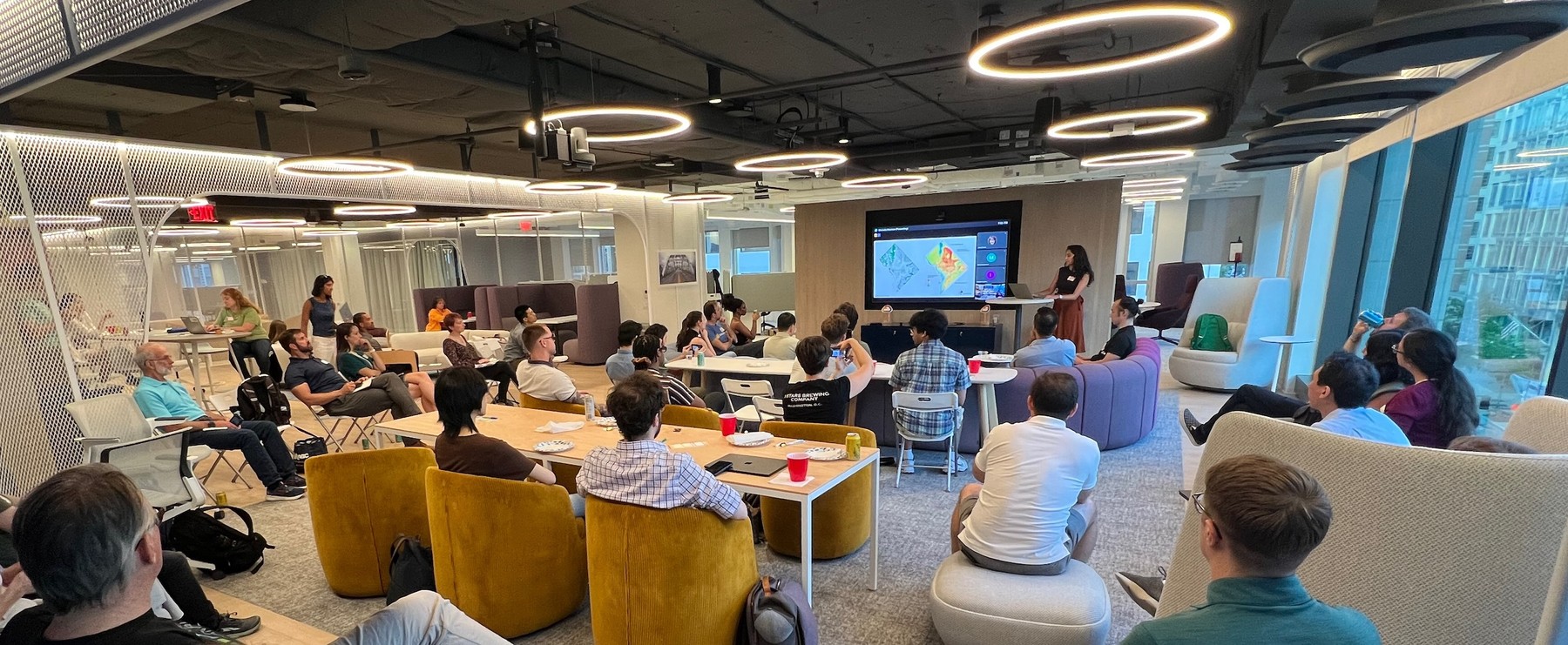
Civic Tech DC: Last year, I became Director of Civic Tech DC, a nonprofit of technologists developing open-source projects. Some goals for this year include:
- Expand our community as the tech meetup ecosystem in DC tends to skew heavily professional. I want to establish deeper roots in the communities we’re actually building for. That means bringing in nontechnical folks who can challenge assumptions about what technology can accomplish, ambitious young people, and DC natives who know this city.
- Develop a Civic Tech playbook based on lessons learned from running the organization and best practices for sustaining civic tech initiatives. What actually sustains civic tech initiatives when the initial enthusiasm fades? How to keep momentum and motivation alive?
- Make civic tech less insular by collaborating with local organizations to host special events that make civic tech exciting. With the U.S.’s 250th anniversary, it’s a natural moment to focus on what civic participation really means in showing up and taking responsibility for the communities we live in.
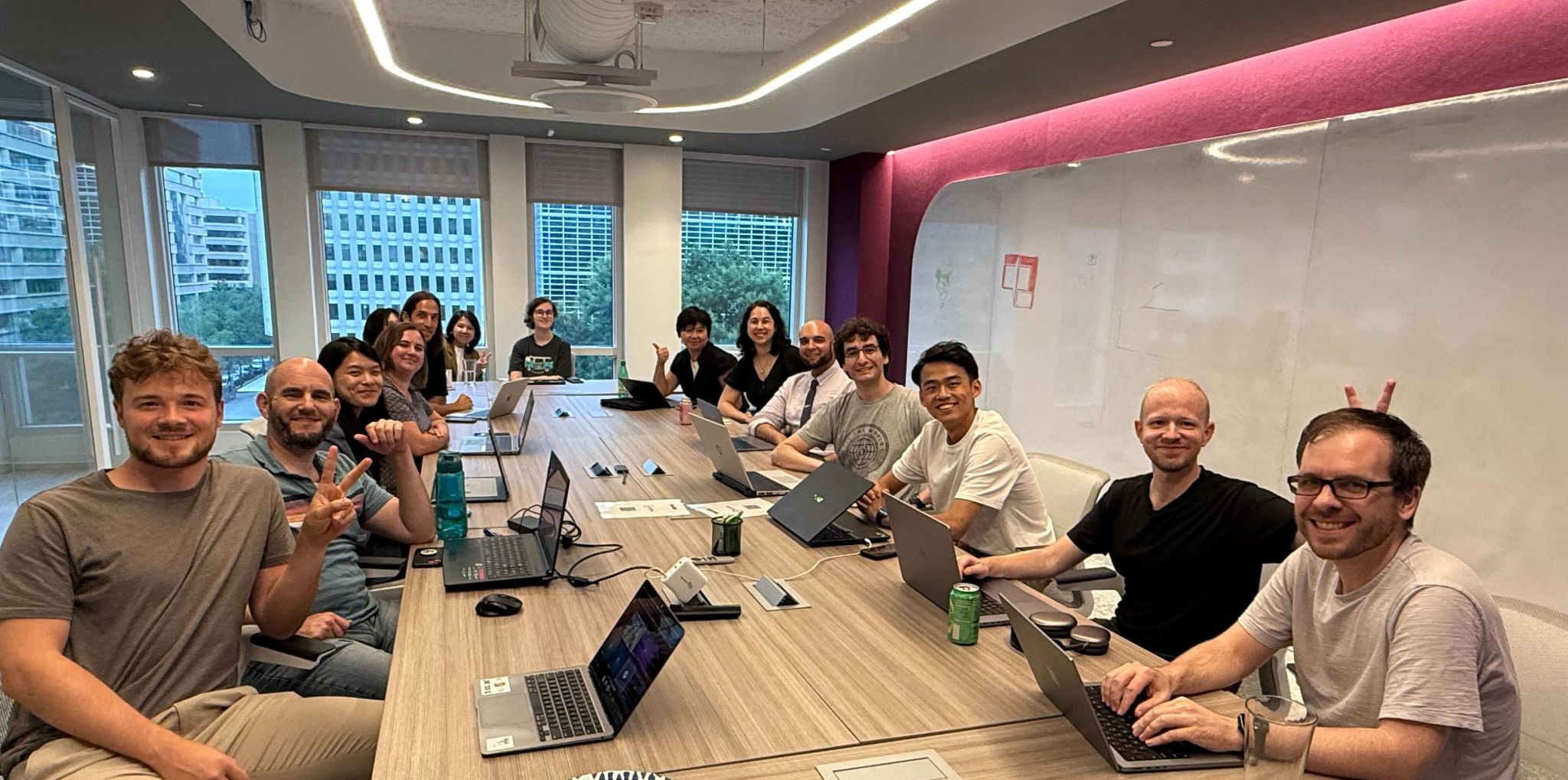
CIB Mango Tree: Last September, we just celebrated our one year of CIB Mango Tree, an open-source initiative building tools to detect coordinated inauthentic behavior. As Engagement Lead, I want to:
- Continue supporting growth in the team’s project management, outreach, and community development, which includes expanding partnerships with universities.
-
Strengthen our credibility through more rigorous, public-facing writing. We’re building tools that matter for information integrity, and that work needs to be shared beyond our immediate network.
Internet Law and Foundry: As a member of the Editorial and Marketing Committee of the Internet Law and Policy Foundry, an organization of early-career professionals in law, technology, and policy, this year I will move into a Senior Fellow role and will work to:
- Build a more substantive community with increased visibility by strengthening connections across the national network, creating additional opportunities for members to share their work, and hosting engaging events. While the Foundry primarily serves professionals already in the field, a key goal is to get more individuals involved who are interested in the field. Everyone has to start somewhere, and having a network helps.
Engagements in the Making
Supporting the DC Ecosystem: Host a “super meetup” that brings together various local meetup groups to share what’s working, what isn’t, and how to better support volunteer-led initiatives that can effectively sustain themselves long-term.
Independent Research
-
This year, I’m reviving the independent research I started last year with a focus on the structural and social dimensions of technology. Writing is my main tool for thinking through complex ideas, as it helps identify patterns across different projects that might otherwise stay siloed. (I love tools, like Obsidian, designed specifically to help mind organization).
-
I’m thrilled by the number of universities and think tanks in the DMV region, and by the community events and opportunities to engage. I want to explore more ways to engage with these groups in both creating connections that deepen my personal knowledge but creating opportunities for longer-term collaboration.
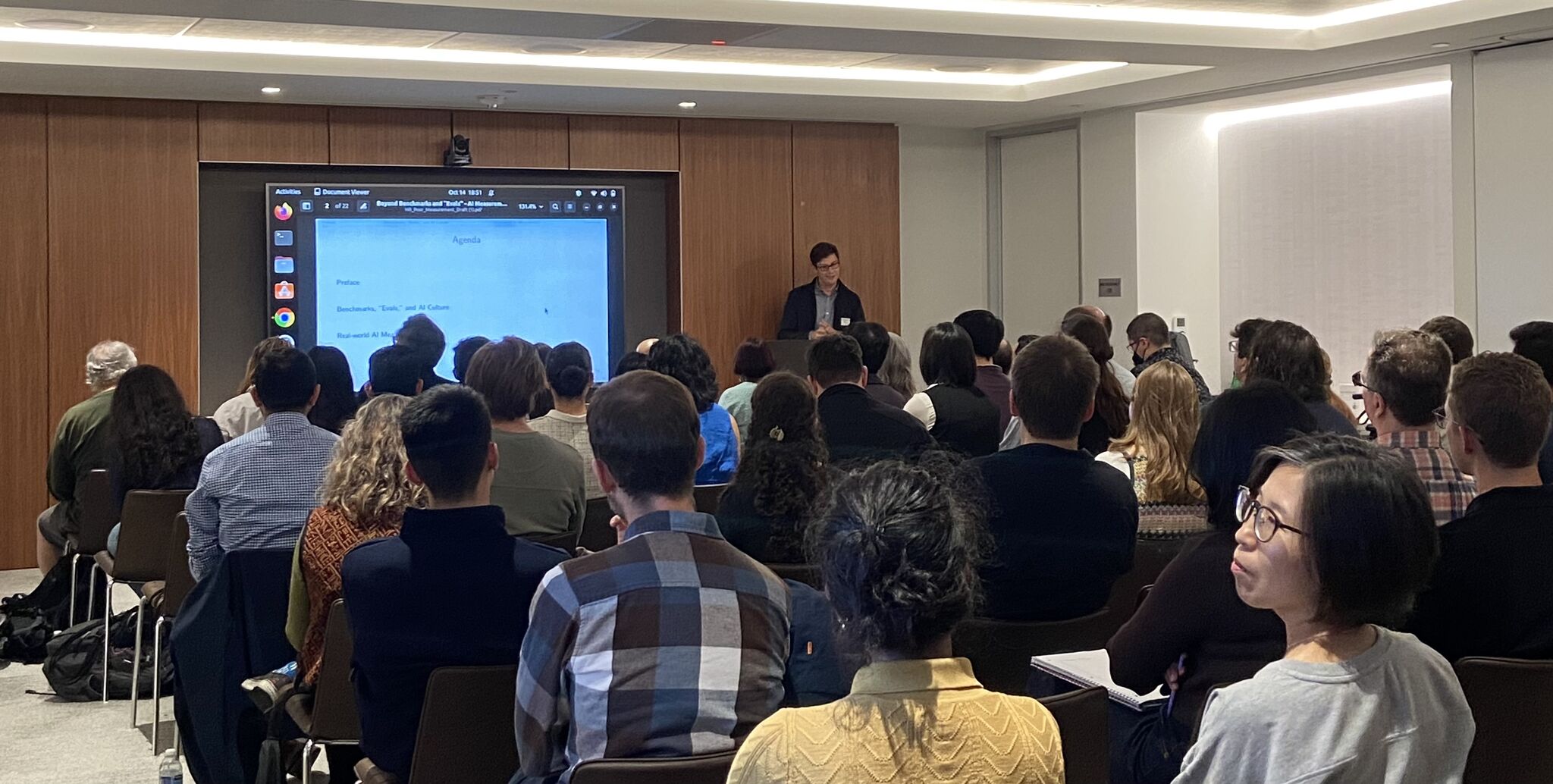
Academia-Industry Collaboration: Based on my experience working in both academia and industry, I have seen a clear gap between the two. D.C. is uniquely positioned to bridge this divide; the region is full of people who move between both sectors (professors of practice, industry researchers), yet there are surprisingly few opportunities for meaningful exchange. I work with the DC affiliate of the Association for Computing Machinery on:
- Hosting events that pair researchers presenting problems or findings with industry professionals who can explore practical applications and implementation challenges.
- Engaging local nonprofits, coalitions, and student groups to make these discussions actionable rather than theoretical. This would include experimenting with formats like fireside chats and smaller-group conversations.
Personal Development
-
Language Learning: Since Chinese is my native language, improving my fluency has always been a personal goal. In the past, without a clear plan or consistent practice, progress has been limited. This year, I want to approach it more deliberately.
-
Running: Train for and complete a 10 miler.
-
Reading: I read a lot of books each year, mostly focused on personal development. This year, I plan to read more intentionally, using Obsidian and Zotero to organize insights. One of my strengths is connecting ideas across fields, and I want to strengthen this skill through thoughtful, structured reading.
A Note on Goals
Even if you don’t achieve goals exactly as planned, it doesn’t mean you’ve failed. Goals naturally evolve as you learn and encounter new opportunities. For example, a goal to run a 5-minute mile might shift to focusing on endurance and completing six miles, or even spending that time on another hobby. What truly matters is making progress and using resolutions as a tool for personal growth and self-improvement.