Convos in Civic Tech 1 - Civic Tech For Imagination
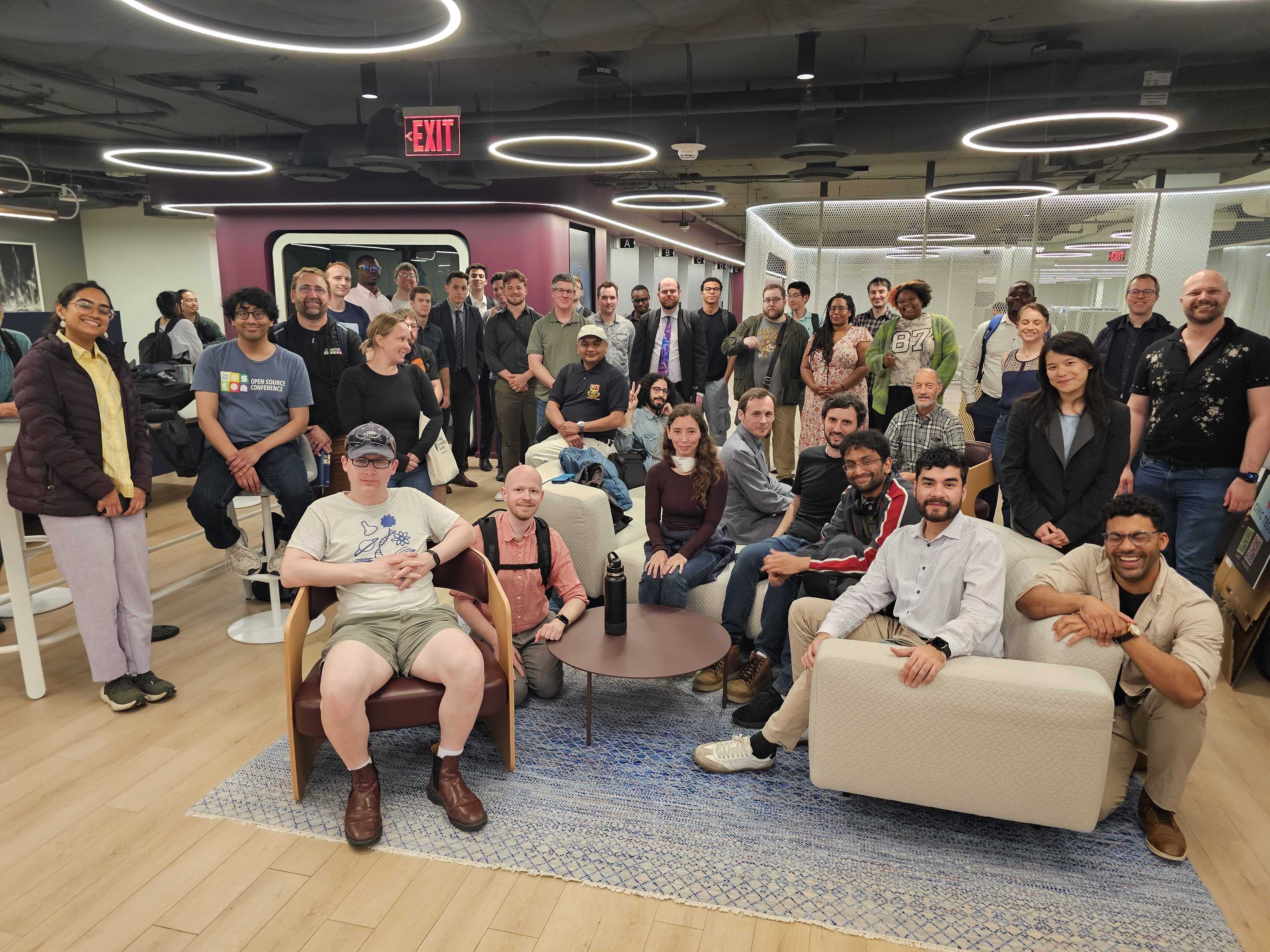
This is the first post in a Conversations on Civic Tech series, where I reflect on informal conversations I had with friends and colleagues that are shaping how I think about civic technology, public participation, and the future of the field. For this post, I had a conversation about who civic tech is actually for with my friend Richard who is doing a dissertation on digital democracy in east Asia.
Civic Tech as Care
At the center of our conversation was the idea of civic care. Rather than thinking about democracy only in moments of crisis or defense, civic care offers a different orientation. The goal is not simply to invest in institutions once they are already failing, but to invest in the long-term health of democratic life through civic literacy and practices that strengthen relationships and trust before systems break down.
A civic tech project is not valuable only because it is technically clever. It matters because of the kind of civic relationship it supports, not only for the individuals building the technology, but also for the people the technology is supporting.
This idea of civic care draws on Audrey Tang’s collaboration with Dr. Caroline Green at Oxford’s Institute for Ethics in AI in developing “Civic AI”, a framework on what AI should be used for. Tang and Green argue that AI should focus on the values of civic care or “embedding values of attentiveness, solidarity, and relational health directly into the design and governance of intelligent systems and fostering democratic participation with AI.”
“Nerd Fatalism”
Many civic tech movements struggle to last. Richard called it “nerd fatalism” or how civic tech communities often begin with energy and a belief that public problems can be reimagined through simple, elegant tools. But that optimism tends to collide with harder realities of entrenched bureaucracy, limited volunteer capacity, and political systems that resist the kind of rapid iteration civic technologists are used to. The energy that launched the project is rarely the same energy needed to sustain it.
The Real Value of Civic Tech
The conversation also supported an idea I have been thinking about for a while: I believe the biggest impact of civic tech comes from people than the tools themselves.
More often than not, the tools built do not last whether they never reach full adoption or are absorbed into institutions. That does not mean the work is unimportant, but rather the deeper value of civic tech is supporting people by giving them a space to iterate and feel inspired to create change.
A volunteer who works on a transportation project may begin to understand bike safety differently and be inspired to work inside a city agency, a nonprofit, or another institution where they can push for change from within. My friend is exploring this in his dissertation through the idea of “institutional hacktivists,” or people who come out of informal civic tech entities like Civic Tech DC and go into systems of governance carrying an open-source perpsective. This is different from the traditional model of trying to push governance to adopt open source and new processes through flashy hackathons.
Is Volunteering Actually Good?
Given the challenges of civic tech, my friend suggested that volunteer models, which most civic tech entities run on, can actually be a good thing because volunteer is low-barrier, flexible, and less dependent on a single funding stream or administrative structure. I can see a best-case example in Civic Tech DC itself, when it was revived after the Code for America Brigade concluded. In this case, while a volunteer model is tough and requires a delicate balance of structure where needed, it may be that the most important thing is to encourage Civic Tech DC to be a third space where people can contribute with relatively low stakes.
At the same time, we should not romanticize volunteerism. For example, the g0v movement in Taiwan maintains a volunteer community core while also supporting an offshoot nonprofit, the Open Culture Foundation, which can seek grants and channel resources back into projects. This model preserves the orientation of a volunteer civic tech space while also creating some infrastructure for funding and continuity. Perhaps a similar model could exist for Civic Tech DC.
Takeaways:
The future of civic tech may depend less on building permanent products and more on sustaining the relationships and spaces that allow public imagination to keep happening. If civic tech is going to have a future, it may be because we learn to value not only the tools we build, but the communities we convene and the democratic habits we help make possible.